
The designer who helped pioneer one of 2027's biggest interior design trends has some advice: Ignore it.
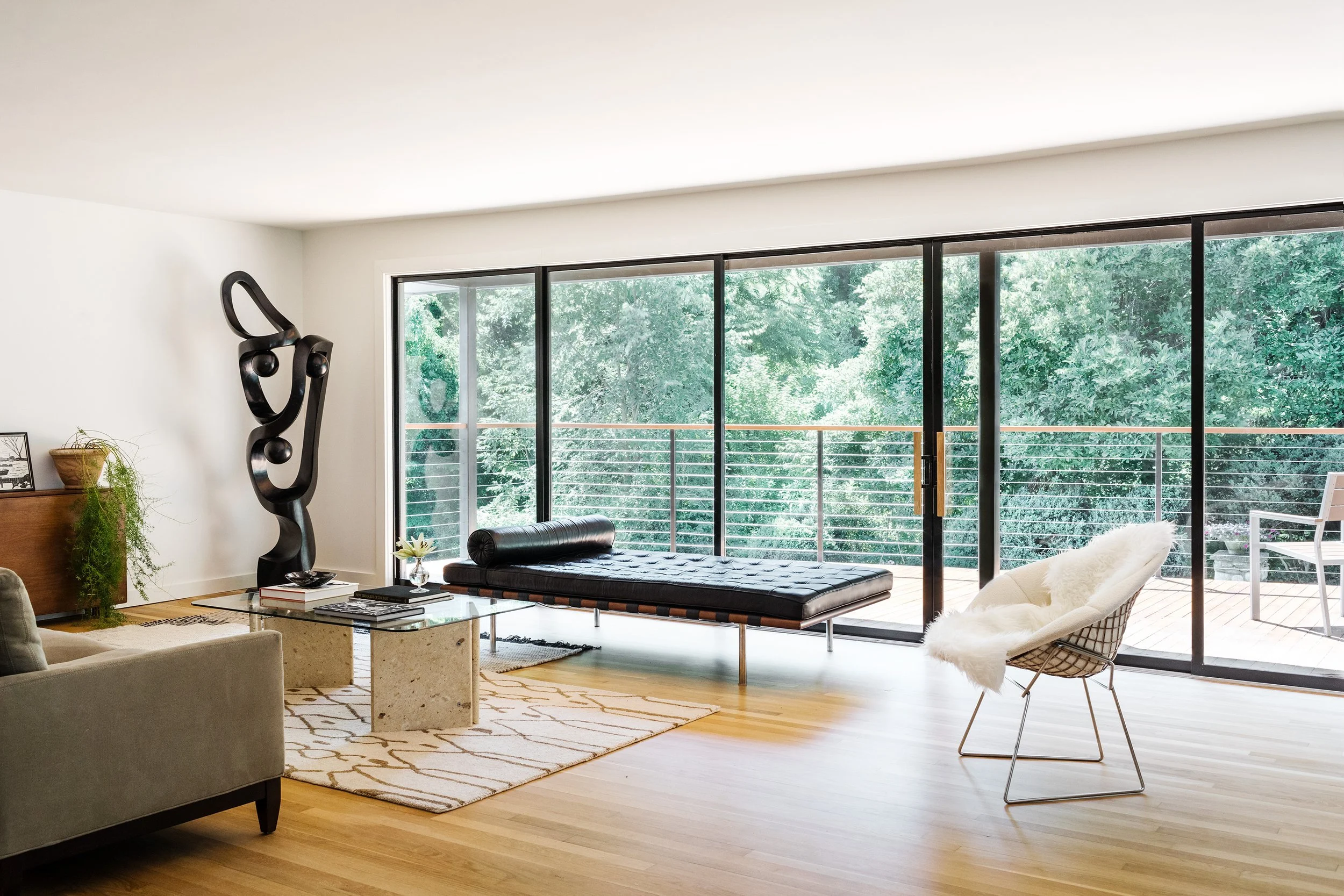
Ask Sashya Thind what she thinks of the latest interior design trends, and you're unlikely to get the answer you expect. She doesn't particularly like trends. In fact, she makes a conscious effort to ignore them.
This is somewhat ironic, considering that warm minimalism, a philosophy that has guided her work for years, is now being heralded as one of the defining interior design trends of 2027.
Along with it come the usual predictions: tactile craftsmanship, biophilic design, expressive interiors, sustainable materials, and an appreciation for things made by hand. So what's the problem? Nothing, really. Except the notion that any of these things should be considered new.
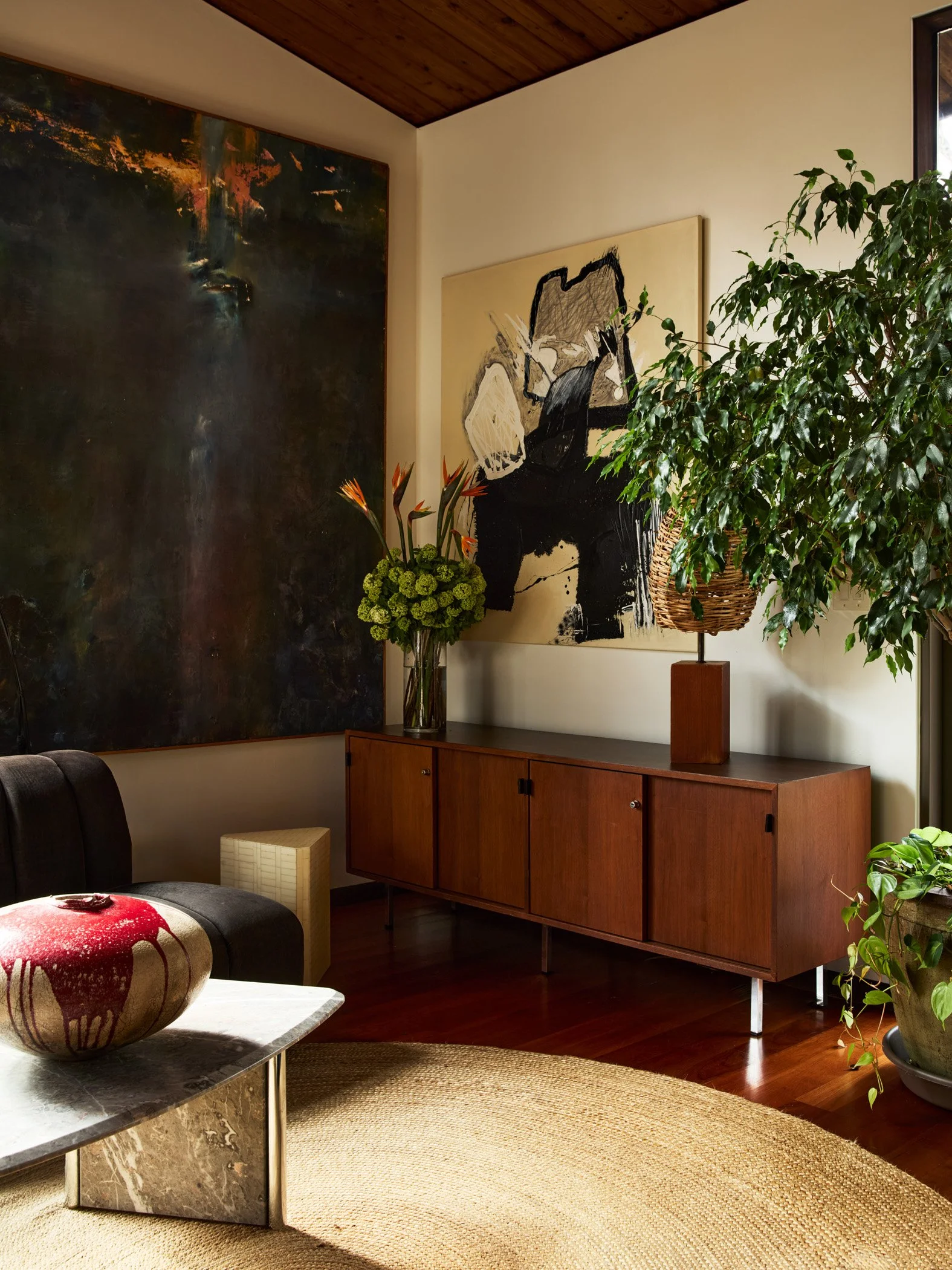
The most successful interiors aren't recognizable because they follow a particular style. They are recognizable because they belong to the people who live in them.
Elevated design outlives a trend.
Sashya designs homes with a rather unfashionable ambition: She wants them to look just as good in 15 or 20 years as they do today. That may sound obvious, but it's surprisingly at odds with an industry that reinvents itself every January.
The trouble with designing a house around what's fashionable in 2027 is that, sooner or later, it will look very much like a house designed in 2027. And while there's nothing inherently wrong with capturing a moment in time, most people would prefer not to spend a small fortune renovating that moment a few years later.
But trends are very good for business. Particularly the business of selling furniture, fabrics, wallpaper, and all the other things we're encouraged to replace as soon as something newer comes along.
Sashya prefers a longer view. Beautiful natural materials. Thoughtful proportions. Furniture worth keeping. Rooms that can evolve without being completely reinvented. It's not simply about creating restrained interiors. It's about understanding what a space needs, what it doesn't, and how to make it feel welcoming, comfortable, and deeply personal.
Sashya explains, “This is also a question of sustainability. The most sustainable object is often the one you already own, love, and continue to use. Constantly replacing things because they no longer look fashionable is neither environmentally responsible nor particularly luxurious. Why replace a perfectly good chair when you can reupholster it? Why discard a table with beautiful bones when refinishing it might make it even better? A home assembled over time, with bespoke pieces, vintage finds, and objects that mean something to its owners, can’t be replicated.” After all, a home should reflect a life, not a showroom.
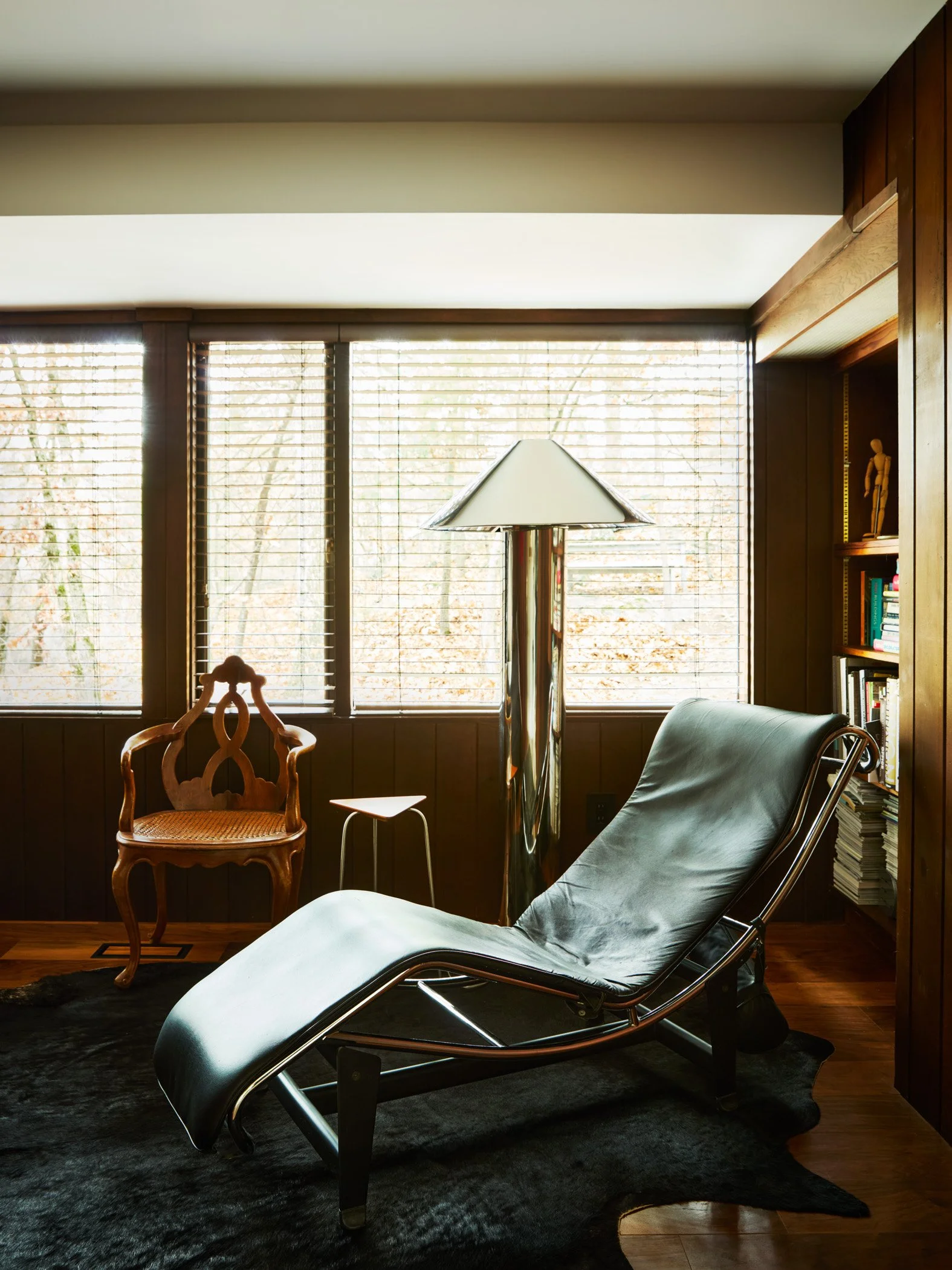
The future of luxury isn’t more recognizable. It is more personal.
Craftsmanship. Imperfection. Anything but trendy.
The joinery of wood, the texture of stone, the subtle imperfections that reveal the hand of the maker. These details give materials their character. They create a connection to the people and traditions behind them. Not simply because they're beautiful, but because they bring something to a room that new furniture rarely can: craftsmanship.
Vintage furniture has another, less obvious advantage: It's forgiving. A small scratch on a brand-new dining table can feel like a catastrophe. On a table that's already lived a hundred years, it's just another chapter. It gets more beautiful with time.
There's a freedom in owning things that aren't precious. You use them. You enjoy them. You let life happen around them. The best interiors have always understood this.
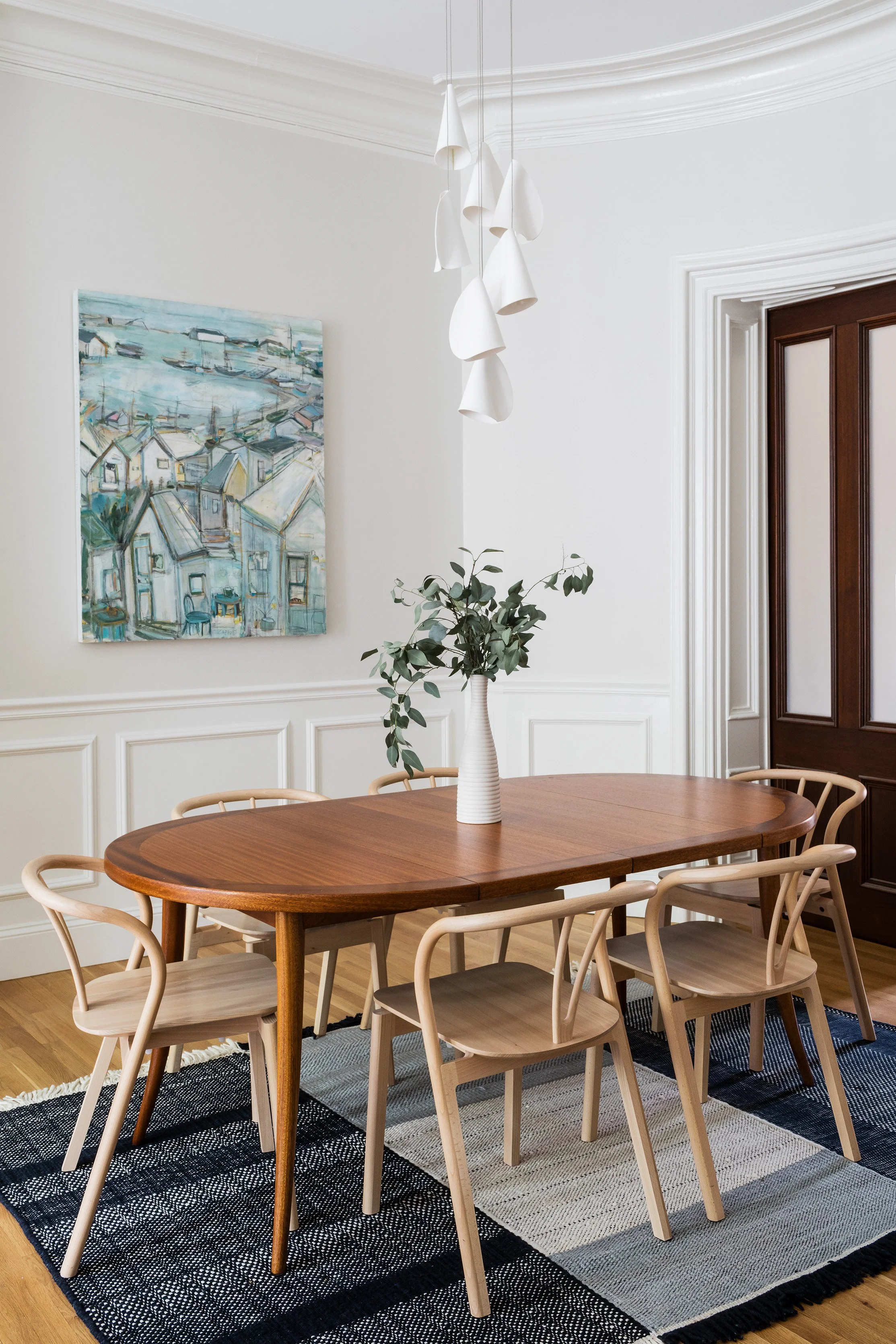
Sustainability isn't a new aesthetic. Recycled fabrics, reclaimed materials, and responsibly sourced finishes have been part of thoughtful European design for decades.
Skip the wallpaper. Buy a painting instead.
A room with awkward proportions, poor lighting, or uninspired architecture doesn't become a better room because its walls are covered in an expensive pattern. According to Sashya, “It’s just lipstick on a pig. Why spend $15,000 on wallpaper when that investment could go toward an original painting?”
Art brings personality, history, and a point of view into a space. It can be moved around and can be left behind for the next generation. More importantly, a painting says something about the person who chose it. Wallpaper says something about the year it was installed. Décor should enhance a home’s qualities, not compensate for their absence.
Homes should tell a personal story.
Sashya’s spaces feel inevitable, as though they could never have belonged to anyone else. They tell a story about the experiences that have shaped the lives of the people who inhabit them.
She's interested in the less obvious things. A hotel someone loved. A city they return to. A favorite coffee shop. The house they grew up in. Their cultural heritage. These conversations aren't just about taste. They're about discovering what makes someone feel at home.
She asks her clients:
What does an ideal day look like?
Where do you spend your time?
Do you entertain formally, or is dinner more likely to involve friends gathered around a kitchen island?
Do you dream of a library, a generous kitchen for entertaining, a quiet place to read?
Tell me about interiors and spaces you loved?
At the same time, Sashya warns against recreating beloved places. “You want to experience Iceland? Go there, don't recreate it. Let the landscape, architecture, climate, food, and culture give you the experience that belongs to that place. Bringing a literal interpretation of that environment into a home in Boston diminishes what makes both places special.” A home should reflect the people who live in it, while respecting the architecture and environment in which it exists–not impersonate somewhere else.
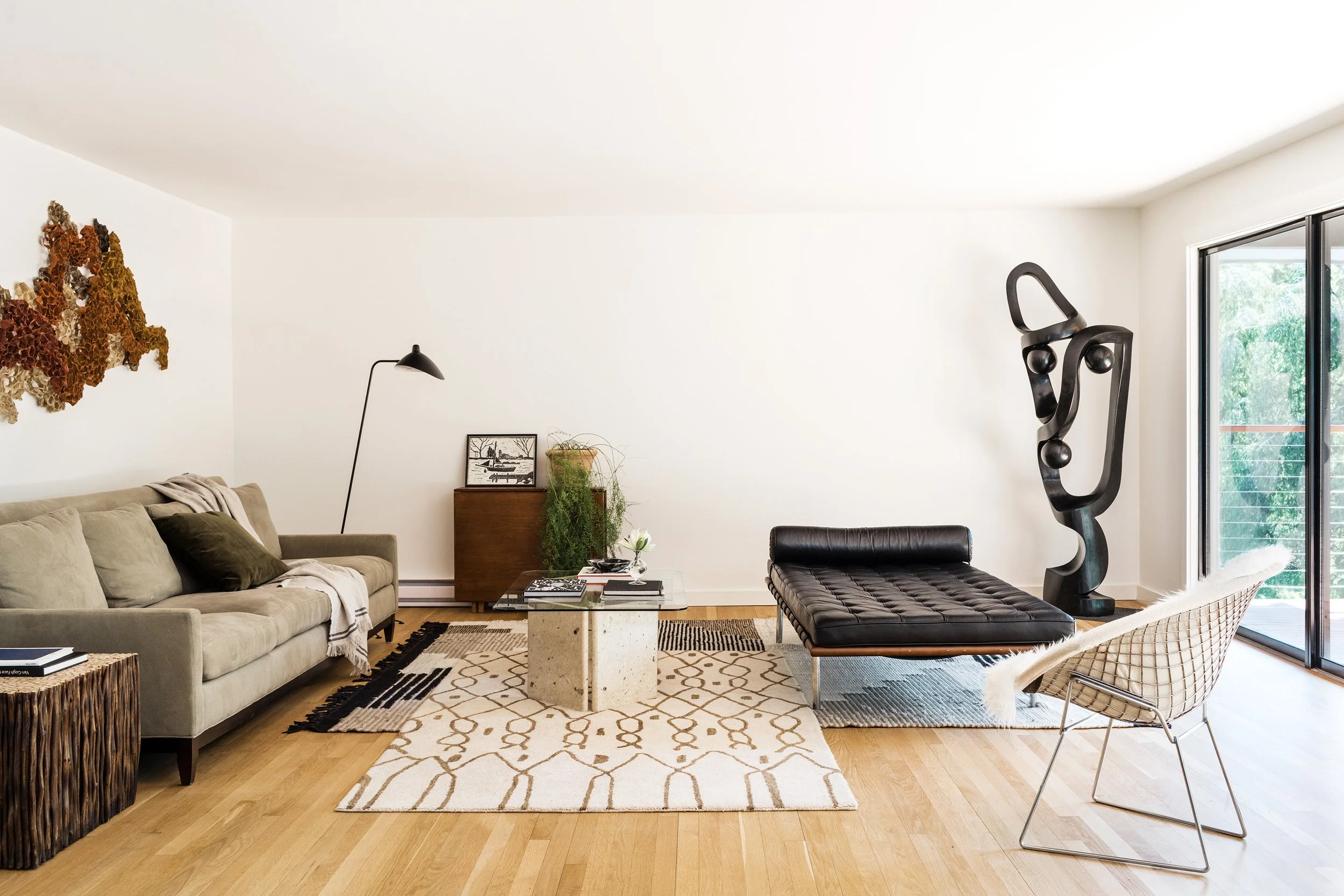
I believe in designing homes that will feel right 15 or 20 years from now. Homes that reflect the people who live in them, the way they move through their day, the things they collect, the places they have been, and the memories they want to hold on to.
Boston vs. Europe? Europe reigns.
Sashya, who looks to international design fairs and manufacturers for inspiration, believes Boston is at least 15 years behind Europe. “One of the advantages of looking beyond the American design market is discovering just how arbitrary our ideas of what's new can be. Take sustainability. Recycled textiles, reclaimed stone, responsibly sourced materials, and innovative approaches to energy efficiency are being presented as major developments in American interiors. In much of Europe, these conversations have been going on for decades.”
The same goes for smart-home technology. Systems that are only now becoming commonplace in American homes have been familiar features of European residences for years.
Having lived and worked across India, Europe, England, and the Middle East, she doesn't approach a project with a single cultural or stylistic point of reference. Her design vocabularly is as rich as it is vast; it has been shaped by the entire world.
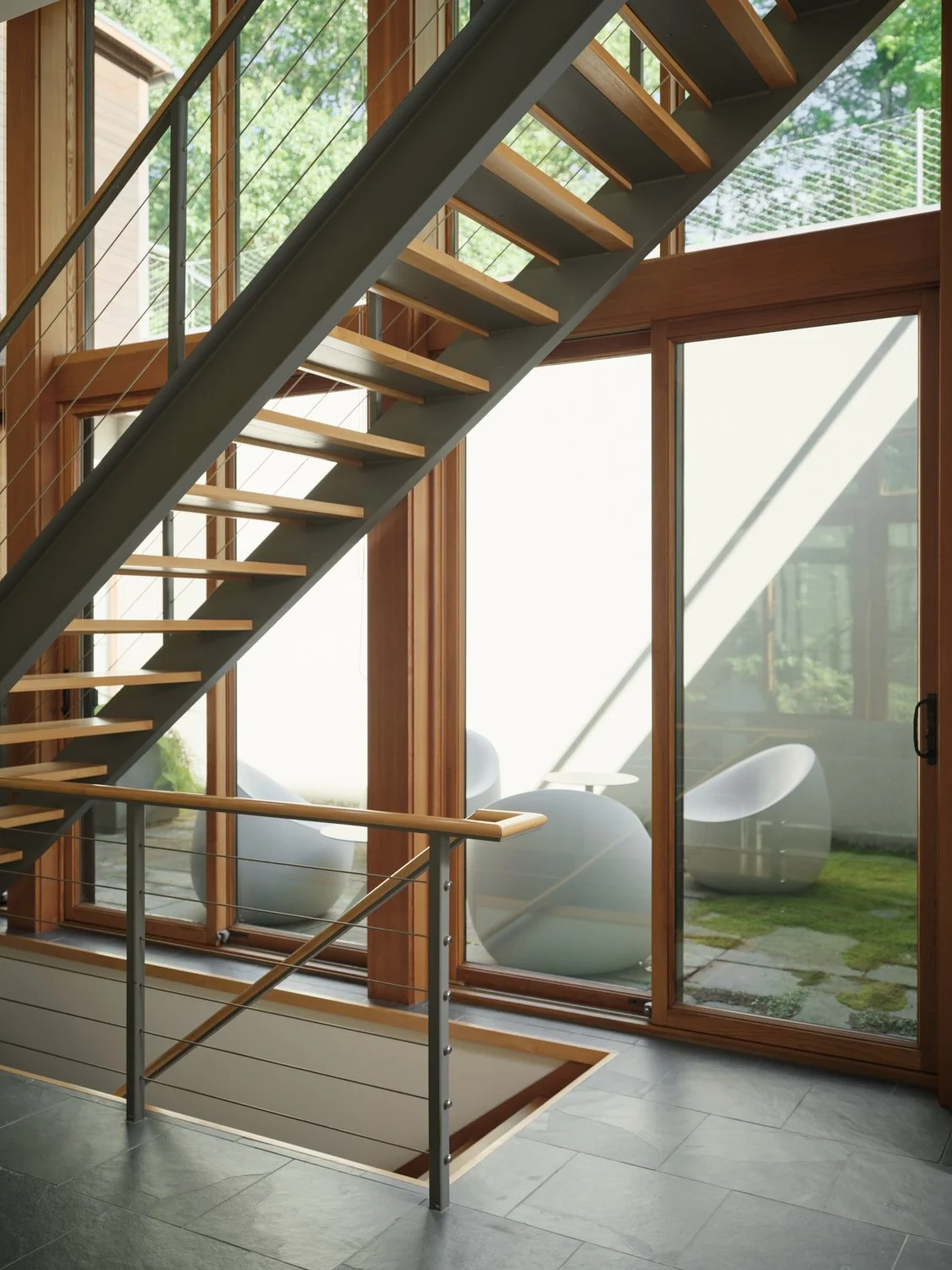
It takes confidence to create a home that doesn't look like everyone else's.
Sameness is social.
There was a time when discovering an unusual piece of furniture or a remarkable interior required a certain amount of effort. People traveled, visited galleries, and wandered into shops. They read books and magazines and developed an eye for things. Today, an algorithm does all the work. The trouble is, it's doing the same work for everyone.
Spend time scrolling through interiors and you’ll see the same sculptural chairs, same pale stone, same carefully arranged objects. Everyone is seeing and doing the same thing everywhere. “What people need isn't another idea. It's permission. Permission to choose something unexpected. To commission something that doesn't exist. To resist the temptation to make their home look like everyone else’s.”
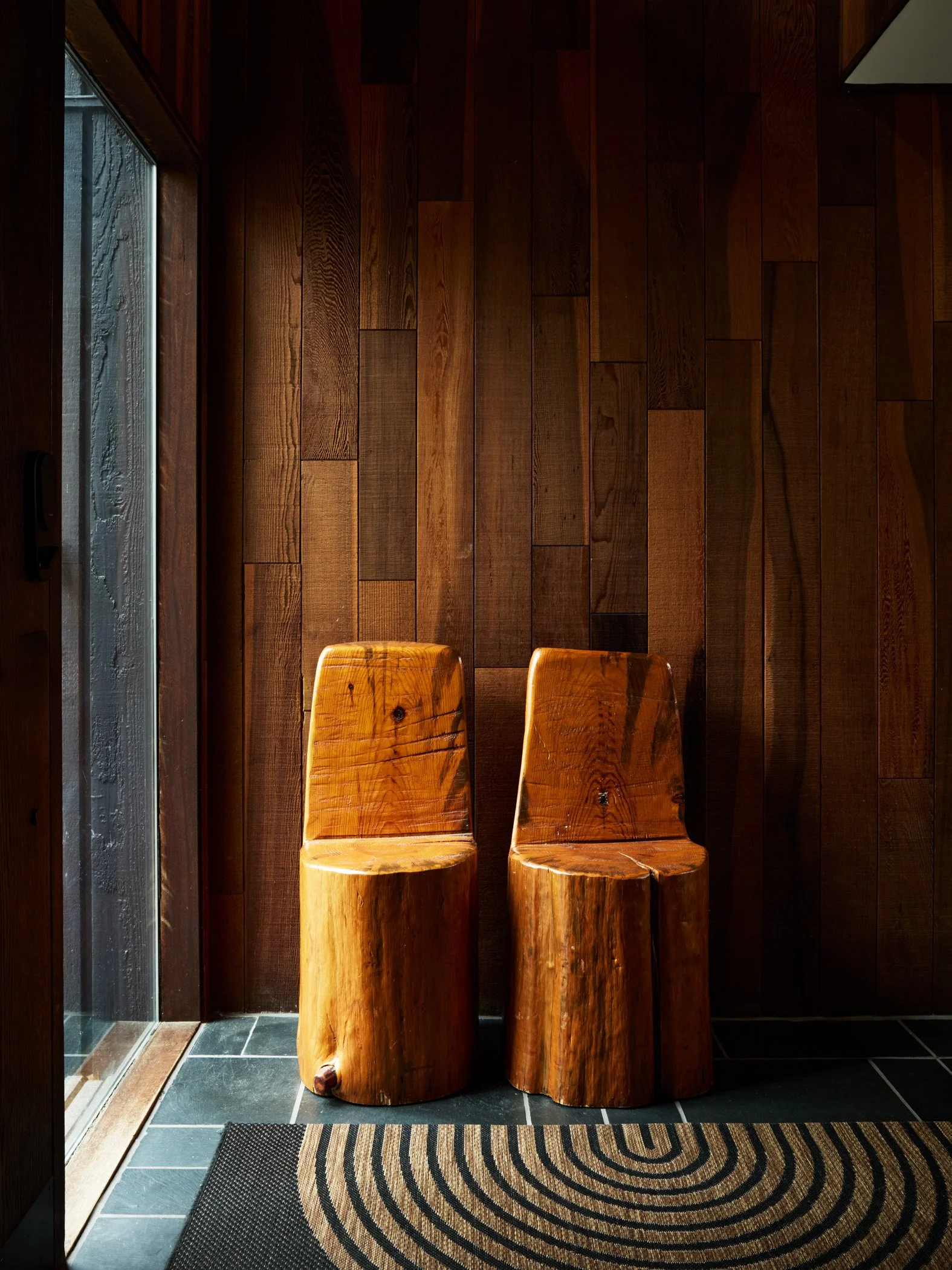
Clients want permission to do something that’s never been done before.
Customization is the real differentiator.
In an age when practically everything can be identified, searched, and purchased in seconds, Sashya veers the other way. “The real differentiator in interior design is customization. Creating objects and interiors that can't be traced back to a familiar showroom, designer collection, or Instagram post. Imagine asking where a beautiful piece of furniture came from and hearing, I can't tell you where that's from. It was made only for this client."
Sashya’s décor is made for one person, one home, and one set of circumstances. It doesn't need to be replicated, because it was never intended to be formulaic.
The confidence to be different.
It takes confidence to create a home that doesn't look like everyone else's–both from the designer and the client. And that confidence carries through–into a design that is timeless. Rooms that become more interesting as the years pass. Furniture that acquires character rather than loses value. And a home filled with things that couldn't have been chosen for anyone else.
Clients are responding. Some arrive having studied ten different design portfolios, only to tell Sashya that hers is the only one they want. Others have no interest in a portfolio; they are only interested in her thinking and design objectives.
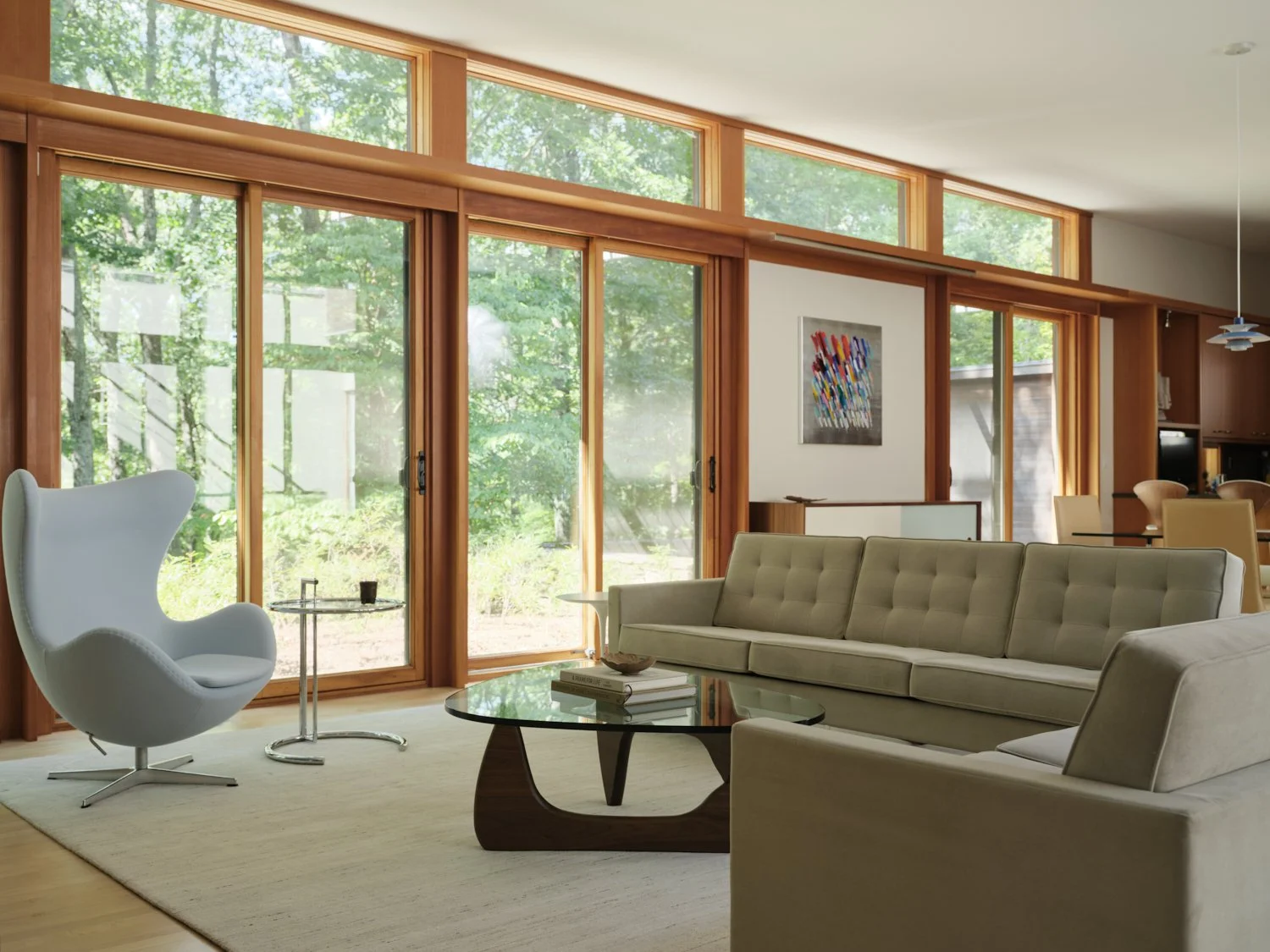
Timeless, elevated interiors. Inquiries welcome.
Contact our studio to learn more.